How to Change Your Accord's Oil in 20 Minutes
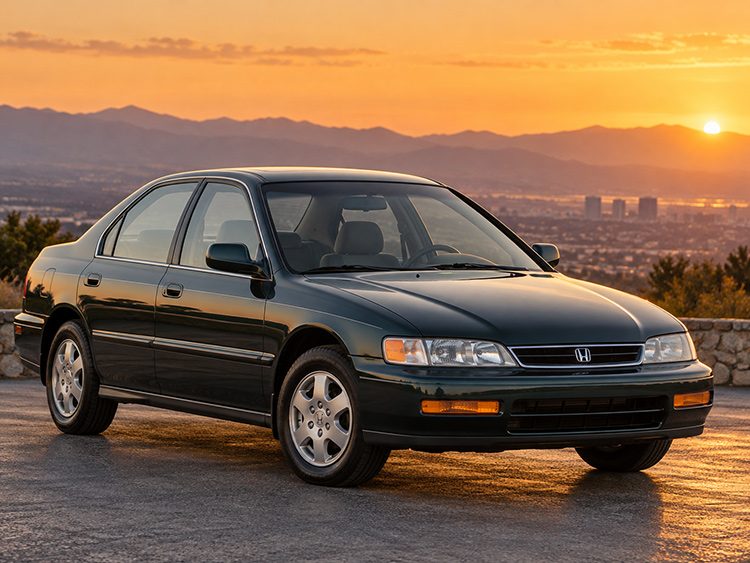
Learn how to change your Honda Accord's oil in 20 minutes with our DIY guide. Find the right tools, oil change steps, filter tips, and maintenance advice.
Changing the oil in your Honda Accord is one of the easiest and most important maintenance jobs you can perform yourself. Whether you're driving a classic 1990s Accord or a newer model, regular oil changes help protect your engine, reduce wear, and keep everything running smoothly.
The good news? With the right tools and a little experience, the actual oil-changing process can take approximately 20 minutes. First-time DIY mechanics should allow additional time for preparation, safely lifting the vehicle, and checking their work.
In this guide, we'll cover everything you need to change your Accord's engine oil, including choosing the correct oil, replacing the filter, and avoiding common mistakes.
What You'll Need
Before getting started, gather your tools and replacement parts. Having everything ready makes the job easier and helps prevent unnecessary interruptions.
- Engine oil in the viscosity and quantity specified for your Accord.
- New engine oil filter compatible with your model.
- New oil drain plug crush washer or gasket.
- Metric socket set and ratchet.
- Oil filter wrench, if needed.
- Oil drain pan with sufficient capacity.
- Funnel for adding fresh oil.
- Torque wrench.
- Hydraulic floor jack and properly rated jack stands, or suitable vehicle ramps.
- Wheel chocks.
- Shop towels and disposable gloves.
- Container for transporting used oil to a recycling facility.
Pro tip: Purchase your engine oil, filter, and replacement drain plug washer before beginning. Double-check compatibility using your Accord's model year, engine size, and owner's manual.
Step 1: Park and Prepare Your Accord
Park your Honda Accord on a flat, solid surface and engage the parking brake. If the engine is cold, briefly running it can help the oil drain more easily, but allow it to cool enough to avoid burns before beginning work.
Shut off the engine, remove the keys, and secure the wheels with chocks.
If additional access is necessary, raise the front of the vehicle using the manufacturer's designated lifting points and support it with properly rated jack stands. Alternatively, use appropriately rated vehicle ramps.
Never crawl underneath a vehicle supported only by a hydraulic jack.
Step 2: Locate the Oil Drain Plug and Filter
Underneath the engine, locate the oil pan and its drain plug. Depending on your Accord's model year and engine configuration, the oil filter may be accessible from underneath or from a different position around the engine.
Some newer Accords have an engine splash shield that must be removed or opened before accessing the oil drain plug and filter.
Position your drain pan underneath the drain plug, allowing enough space to catch the oil as it begins flowing.
Step 3: Drain the Old Engine Oil
Using the appropriate socket, carefully loosen the oil drain plug. Finish removing it by hand while keeping the drain pan positioned underneath the opening.
Allow the used engine oil to drain into the pan. This typically takes several minutes, depending on oil temperature and engine design.
While the oil drains, inspect the drain plug for damaged threads and remove the old crush washer or gasket.
- Keep the drain plug somewhere clean.
- Inspect the oil for unusual contamination.
- Check for signs of metal particles or coolant contamination.
- Replace the drain plug washer as specified by Honda.
Once the oil has drained, reinstall the drain plug using the correct tightening torque for your Accord's engine. Avoid overtightening, which can damage the oil pan threads.
Step 4: Replace the Oil Filter
Next, locate and remove the old oil filter. Use an oil filter wrench if necessary, and keep the drain pan nearby because additional oil may spill during removal.
Before installing the replacement filter, inspect the engine's filter mounting surface. Make sure the old rubber sealing gasket came off with the original filter.
Leaving an old filter gasket attached can cause a serious oil leak when the new filter is installed.
For a conventional spin-on filter, apply a thin film of clean engine oil to the new filter's rubber gasket unless the filter manufacturer specifies otherwise.
Install the filter following its manufacturer's tightening instructions. Most conventional spin-on filters are tightened by hand rather than with excessive wrench force.
Important: Never install a new oil filter over an old gasket. This common mistake can lead to rapid oil loss and potentially severe engine damage.
Step 5: Add Fresh Engine Oil
With the drain plug secured and the new oil filter installed, it's time to refill your Accord with fresh engine oil.
Open the hood and locate the engine oil filler cap. Remove the cap and insert a clean funnel.
Gradually add the recommended engine oil, using the capacity specified for your particular engine and including the filter replacement.
Don't assume every Honda Accord uses the same amount or viscosity of oil. Specifications vary considerably between older four-cylinder engines, V6 models, and newer turbocharged or hybrid configurations.
Replace the oil filler cap after adding the initial amount of oil.
Step 6: Start the Engine and Check for Leaks
Start your Accord and allow it to idle briefly while monitoring the oil pressure warning indicator.
The oil pressure warning light should turn off shortly after the engine starts. If it remains illuminated, shut the engine off immediately and investigate the problem.
With the vehicle safely positioned, visually inspect the oil filter and drain plug areas for signs of leaking oil. Never place yourself underneath a running vehicle.
Shut off the engine and allow several minutes for the oil to settle before checking the oil level.
Step 7: Check the Oil Level
With the vehicle on level ground and the engine turned off, check the oil level using the procedure specified in your owner's manual.
For Accords equipped with a traditional oil dipstick:
- Remove the engine oil dipstick.
- Wipe it clean with a shop towel.
- Insert it completely back into the dipstick tube.
- Remove it again and inspect the oil level.
- Add small amounts of oil if necessary.
The oil level should be within the manufacturer's indicated range. Avoid overfilling, as excessive oil can create additional engine problems.
Once the correct level is confirmed, reinstall the dipstick and make sure the oil filler cap is secure.
Step 8: Reset the Oil Maintenance Reminder
Many newer Honda Accords include a Maintenance Minder system that monitors when engine maintenance is due.
After completing the oil change, reset the appropriate maintenance reminder using the instructions for your model year.
Older Accords may use a simpler maintenance indicator or have no electronic oil-life monitoring system.
It's also helpful to record the oil change date, mileage, oil viscosity, and filter part number for future reference.
How Often Should You Change Your Accord's Oil?
The proper oil change interval depends on your Accord's model year, engine design, oil specification, driving habits, and maintenance schedule.
Newer Honda Accords typically use the Maintenance Minder system to determine when an oil change is due. Older models may require maintenance based on mileage and time intervals listed in their owner's manuals.
Driving conditions such as frequent short trips, stop-and-go traffic, and extreme temperatures can also affect maintenance needs.
For the most accurate interval, follow Honda's recommendations for your specific vehicle instead of relying on a universal mileage rule.
Common Oil Change Mistakes to Avoid
Even a straightforward oil change can cause expensive problems when important steps are overlooked.
- Using the wrong oil: Always confirm the recommended oil viscosity and applicable specifications.
- Overfilling the engine: Excessive oil can negatively affect engine operation.
- Forgetting the drain plug washer: A damaged or reused sealing washer may cause leaks.
- Overtightening the drain plug: Excessive force can strip oil pan threads.
- Leaving the old filter gasket: Double gaskets can create severe oil leaks.
- Skipping the final oil level check: Always verify the level after running the engine.
- Improper vehicle support: Never work beneath a vehicle supported only by a jack.
- Ignoring leaks: Inspect the vehicle before returning to normal driving.
Can You Really Change Your Accord's Oil in 20 Minutes?
Yes, an experienced DIY mechanic with the proper tools, replacement parts, and easy access to the drain plug and oil filter may complete the basic service in approximately 20 minutes.
However, the full process can take longer when you include safe vehicle setup, engine cooling, removing splash shields, checking the final oil level, and cleaning up.
If this is your first oil change, focus on completing every step correctly rather than rushing to meet a time limit.
Frequently Asked Questions
Can I change my Honda Accord's oil myself?
Yes. Many Accord owners perform their own oil changes using basic automotive tools. You'll need the correct replacement parts, safe access to the underside of the vehicle, and the appropriate service information.
What oil does a Honda Accord use?
Oil viscosity and capacity depend on the engine and model year. Check your owner's manual for the correct specifications before purchasing engine oil.
Should I replace the oil filter every time?
Replacing the engine oil filter during an oil change is standard maintenance practice and helps prevent contaminants trapped in the old filter from remaining in service.
What happens if I overfill the engine oil?
Excess oil can lead to foaming, increased crankcase pressure, leaks, and potential engine damage. Always verify the oil level before driving.
Can I reuse the oil drain plug washer?
Honda commonly specifies a replacement sealing washer during oil changes. Following the manufacturer's recommendation helps reduce the risk of leaks.
Where should I dispose of used engine oil?
Used oil should be taken to an authorized collection or recycling facility. Many automotive parts retailers and local recycling centers accept used engine oil. Never pour oil onto the ground or into a drain.
Final Thoughts
Changing your Honda Accord's engine oil is a relatively simple maintenance task that can save money and help extend the life of your engine.
With a little preparation, the right replacement parts, and proper safety precautions, even an older Accord can be maintained at home without specialized equipment.
Whether you're maintaining a 1990s Accord or a newer daily driver, using the correct oil, replacing the filter, and checking for leaks are the most important parts of the process.
Have you changed the oil on your Honda Accord yourself? Share your model year, preferred oil and filter, and any helpful DIY tips in the comments below.




1 comment